BY: Amesha Arnold
Brands have a responsibility to create an identity for themselves that separates them from everyone else. When you think of different organizations, there are certain ones that you can almost instantly identify due to certain catch phrases, slogans, and structures of their organization’s campaigns. Organizations know how vital the identity of their brand is and they focus on a variety of things/areas to ensure that they can stand the tests of time and have longevity.
The success of companies lies mostly in the hands of consumers due to the experience- based economy that we live in. Solis says “the future of influence lies in experience”(Solis, 2013) this is just saying that an organization level of influence in years to come will based on consumers’ experiences presently. The Top 10 Best Practices for Communicating Organizational Identity and Brand due to the experience-based economy, there are a few areas that I believe are the most important for organizational identity will be listed in this post.
Companies like Nike, Chegg, and Amazon have done well with creating a brand identity. Each of these companies fulfill each component that I listed previously. They all provide a level of convenience and a quality standard for their organizations to reach their consumers.

When you look at organizational identity and brand, you must ask questions like: “Who are they?” “Who do they want to be?” “Who do they have the potential to become?”.
- being shareable
Social media has created the ability for experiences to be shared across one’s friends, family, and extended networks (Solis, 2013). Today, everything is able to be shared almost instantly due to the high activity and usage of social media outlets. In this day and age, millennials love to share their opinions about the issues that are currently taking place in society as well as give their inputs on things that they like or do not like about various matters.
2. story telling
Another component that plays into an organizations identity is their ability to tell a story. With storytelling comes creativity. A brand that has effectively mastered the art of storytelling is Nike. When you think about their campaigns from over the years, they always have a really emotional and relatable story that is being told by a well-known celebrity or athlete. They use these stories throughout their posts on social media and in their commercials and that allows for their consumers to see it repeatedly and connect with it.
3. being current and up to date
An organizations shareability allows them to compete with other organizations in real time. Solis says “you are competing in real time at the right time (Solis, 2013). The use of social media mediums has heightened organizations abilities to get immediate feedback from those that are using their brands and even those who do not. Shareability gives consumers and potential consumers the opportunity to become even more familiarized with specific brands and organizations. If organizations utilize it correctly, they can grow their brands a lot faster than leaders of the past.
4. being personable
Brands and organizations personability can be displayed in the quality of their customer service. “Customer Service” has become such a business-world mantra that the idea of customer-centricity is easy to misunderstand (Yohn, 2014). Almost every organization puts a lot of time and effort into developing a customer service department that is effective. Although all organizations have not been successful in the area of customer service, it is still an element of most brands/ organizations.
Some brands have realized that no matter how a company pursues its research in segmenting and targeting, the most effective customer strategies are those that integrate the company’s brand identity and engage the brand-as-business approach (Yohn, 2014). It is not always the best idea to try and market and get everyone to like your organization because by doing so you take away from those people that really could be making a major impact on your brand if you spent more time marketing to them. The managers of great brands put their brands at the center of their customer strategies because that’s how they shape expectations and invite like-minded people to engage with them (Yohn, 2014).
5. being easily accessible
Brands like Fashion Nova, Pretty Little Thing, and Amazon have created a lane for consumers to have easy access to the things they like. Sites like these provide a convenience for the consumers that are extremely busy and may not want to actually have to go in-store to purchase items that they want or need.

Many organizations are beginning to see the advantage of providing their consumers with this level of convenience. Grocery stores have even started giving their shoppers the opportunity to order their groceries online and have them delivered, or available for pick-up, so that they don’t have to spend that valuable time in the store. Many people are money driven and they would rather spend more of their time making money. Value has a numerator and a denominator (VanAuken, 2015). In the numerator are all of a brand’s benefits —- functional, emotional, experiential and self-expressive together with shared values (VanAuken, 2015). In the denominator is how much time, money and perceived effort it takes to purchase and use the brand (VanAuken, 2015).
In addition to those three components coming in places 4-10 are providing consistency, impeccable quality of service, producing good product, create a compelling narrative, being respectful to consumers, be engaging, be adaptable.
6. consistency
Brands must be consistent in their work. Becoming dependable help to create an environment that consumers will want to come to. Nobody likes to do business with a brand/ organization that is inconsistent. Consumers want to be able to get what they need all the time or majority of the time, at least.
7. Adaptability
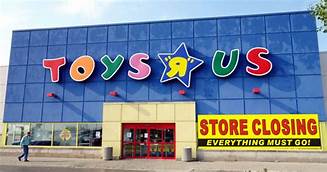
People are going to change, over time. Organizations have to be able to change with their consumers and re-invent themselves as the time goes by. So many brands have gone out of business due to lack of adaptability. ex: Toys R Us.
8. being engaging
Beyond social media, brands and organizations need to get out in the community and actually be hands on with their consumers. They can set up shops/ tables in convenient places to gain visibility for their brands and also get to see exactly what people want.
9. authenticity
Consumers can tell when and organization or brand is being genuine. Brands need to be upfront and honest about what they do and plan to do so that they can attract the proper crowds. Would you rather be authentic and attract YOUR respective audience or be fake and end up later revealing the truth and losing the people you gained off of lies?
9. Be kind to consumers
All consumers want to be respected. Organizations must do their part to provide their customers with quality service and kindness. Being kind to consumers will give them a good opinion about your organization and they will share their experience and you can gain new customers through word of mouth.
References
Solis, B. (2013). What’s the future of business: Changing the way businesses create experience. Hoboken, NJ: Wiley
Yohn, D.L. (2014). What Great Brands Do: The seven branding principles the separate the best from the rest. San Francisco: Jossey- Bass.
VanAuken, B. (2015). How Brand Accessibility Builds Strong Brands. Retrieved from https://www.google.com/amp/s/www.brandingstrategyinsider.com/2015/09/how-brand-accessibility-builds-strong-brands.html/amp
 Amesha's Blog